
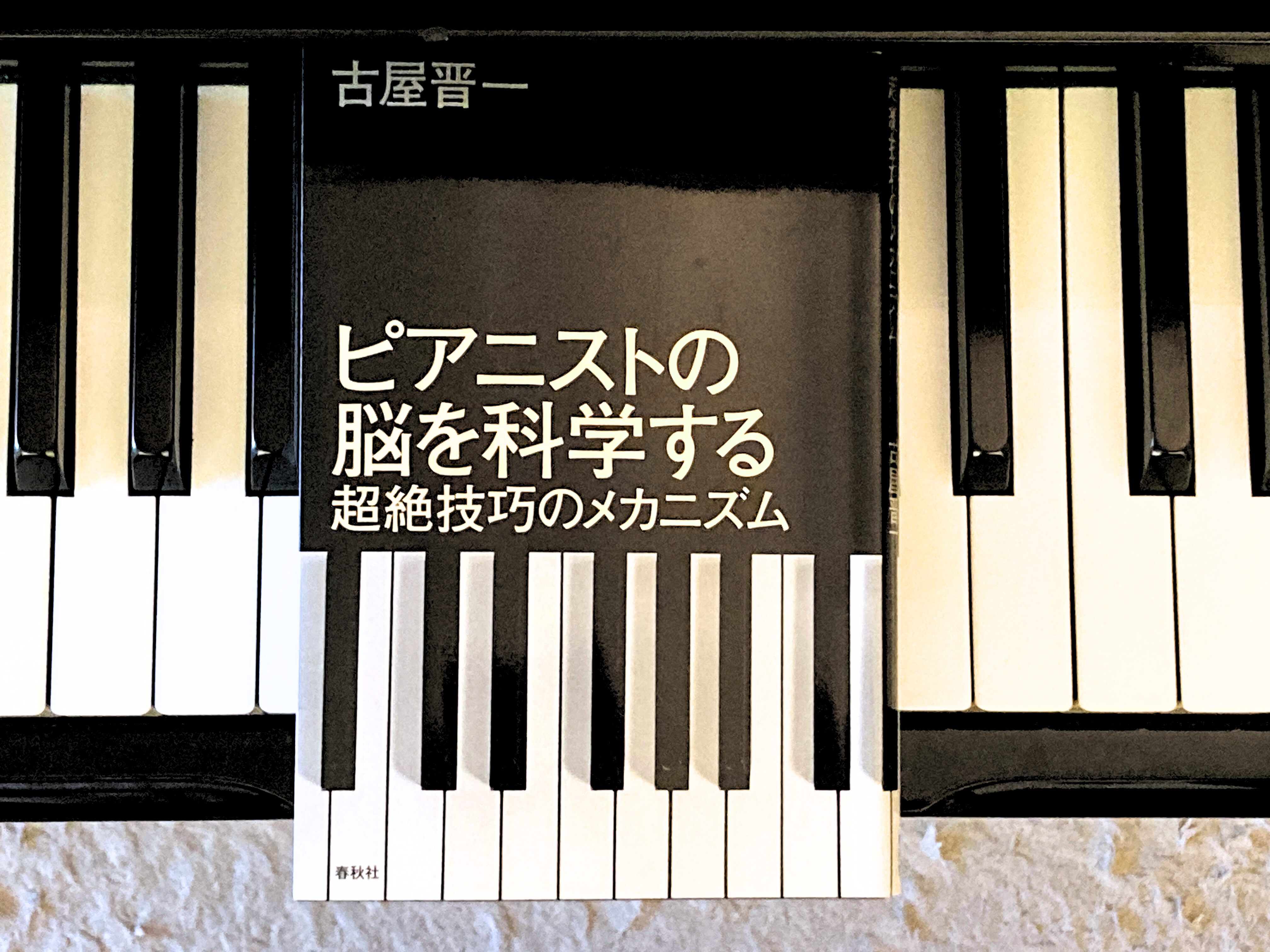
What is a good ear?
Chopin is said to have left the words: "The best teacher is your own ear."
Whether it's music or language learning, we seem to understand intuitively that having a "good ear" is important, but what exactly makes it "good" and in what way?
Sound is waves. We call the vibration of air "sound."
When sound waves arrive, the eardrum vibrates, and the signal is transmitted through the outer, middle, and inner ear to a place called the cochlea, where it is converted into electrical signals. These are then sent to the brainstem and delivered to the auditory cortex.
It is said that there is more than a twofold difference in the size of the auditory cortex between musicians and non-musicians. Musicians have remarkably larger auditory cortices compared to ordinary people.
A good ear appears to mean having a large auditory cortex with superior function, enabling one to accurately grasp the characteristics of sound and distinguish the expression of sounds.
Mr. T, a devoted user of M's system, created a gentle principle that all sounds in his household would come "from wave-motion speakers" when his daughter was born. This could be called pure cultivation.
Later, after moving to America where the T family lived in English, her pronunciation was just like a native speaker's, and he deeply felt the excellence of her ear.
He believes that growing up in a home environment where highly directional, harsh sounds were reduced and natural sounds could be heard allowed her to develop an honest, good ear.
I believe this is certainly something that could happen. Even if it's not the musician type of "good ear" developed through piano practice from early childhood, an "ear" that has been surrounded by natural sounds from infancy has great potential to develop into a "good ear."
Even if one lives in the heart of a major city.
Even without being a pianist who plays with transcendent technique and delicacy, a good ear must surely be cultivated in the auditory cortex.




More from our Blog
You may also be interested in
Latest in "CEO Blog"

Quiet Luxuryと
Quiet Luxuryとは何か Quiet Luxury(クワイエット・ラグジュアリー)とは、「見せびらかす豊かさ」から「感じ取る豊かさ」への転換を象徴する…
細胞は
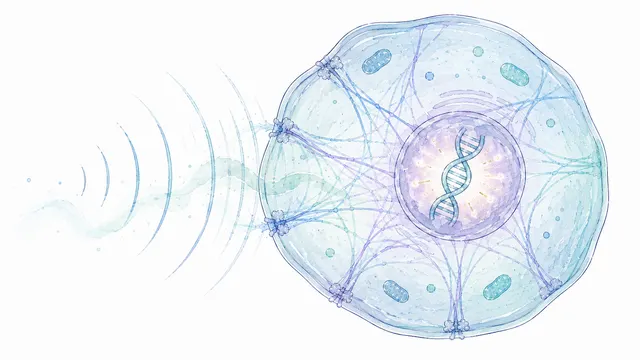
細胞はどこで音を受け取っているのか――細胞膜・接着部位・細胞骨格という“入り口”について前回は、細胞がただ音に反応しているだけでなく、周波数や音圧、波のかたちと…

細胞は
細胞は音に反応するのか――音を「耳で聴くもの」から、もう一度考え直してみる私たちはふつう、音を耳で聴くものだと考えています。音楽を楽しむ。声を聞き取る。物音に気…
Latest Articles

テレビ朝日
このたび、テレビ朝日「じゅん散歩」の新富町散策の中で、エムズシステムにお立ち寄りいただきました。 放送予定は、2026年10月1日(木)10:10〜10:40で…

テレビの
テレビの声が聞き取りにくいのは、テレビのスピーカーの音は一方向へ進むため、聞く場所が正面から少し外れるだけで届きにくくなってしまうからです。エムズシステムがご提…

部屋の
部屋の音環境を整える最初の一歩は、音を足すことでも、消すことでもありません。いま部屋にある音が「どこから、どんなふうに」届いているかを知ることです。私たちが考え…
Catalog Request
Product catalogs, customer voices, media features & more. Request materials here.
Newsletter
New products, events & more. Stay up to date with our latest news. Subscribe here.
Book a Session
Reserve your listening session.
Contact Us
Products, maintenance, events & more. Get in touch with us. We'd love to hear from you.